In my role as Manager at the Mercury Bay Museum, research is a daily occurrence. Whether it be for a new exhibition, an education programme or just simply a family member enquiring and often looking into history. While researching our World War exhibition in 2024, I found the names on our Roll of Honour. These young men are remembered on our cenotaph for giving their life in war but are laid to rest in a faraway land, far from their families.
These men became very real to me whilst researching their history, before the war cut it very short, like the more than 18,000 New Zealanders who died as a result of their service in the First World War (1914-1918).
We have 22 men on our Mercury Bay Roll of Honour – 3 lost at Gallipoli, 8 lost in France and 11 lost in Belgium. The 19 men lost in France and Belgium were on the Western Front – Battle of Messines, Passchendaele and the Somme.
In late 2024, I was given the opportunity to be able to attend an Underwater Archaeology conference in Belgium in 2025. After the excitement calmed down, I quickly realized that I would be travelling to Belgium with my daughter and we would be able to visit the men I had been researching and walk in their footsteps. My Great Grandfather Henry TRAIL was also on the Western Front in 1918 and so this would mean we would be walking where he may have been too. We looked at the possibility of visiting the graves of my Great Uncles– Robert and Alexander TRAIL (Henry’s brothers). They never came home and sadly were killed in action within 10 days of each other. Their time was in France at Le Quesnoy. Was it possible to visit them too? And Le Quesnoy? Plans were put into action, and we gratefully received funding from the Mercury Bay RSA to engage a local battlefield tour guide to help us navigate the graves that are spread out from the main city of Ypres and to visit Le Quesnoy, France.
Kim’s Battlefield Tours were so amazing. Kim received our list of graves and organized the route for us. She also did her own research into our fallen.
October 2025 came very fast and after a week in Oostende we travelled to Ypres.
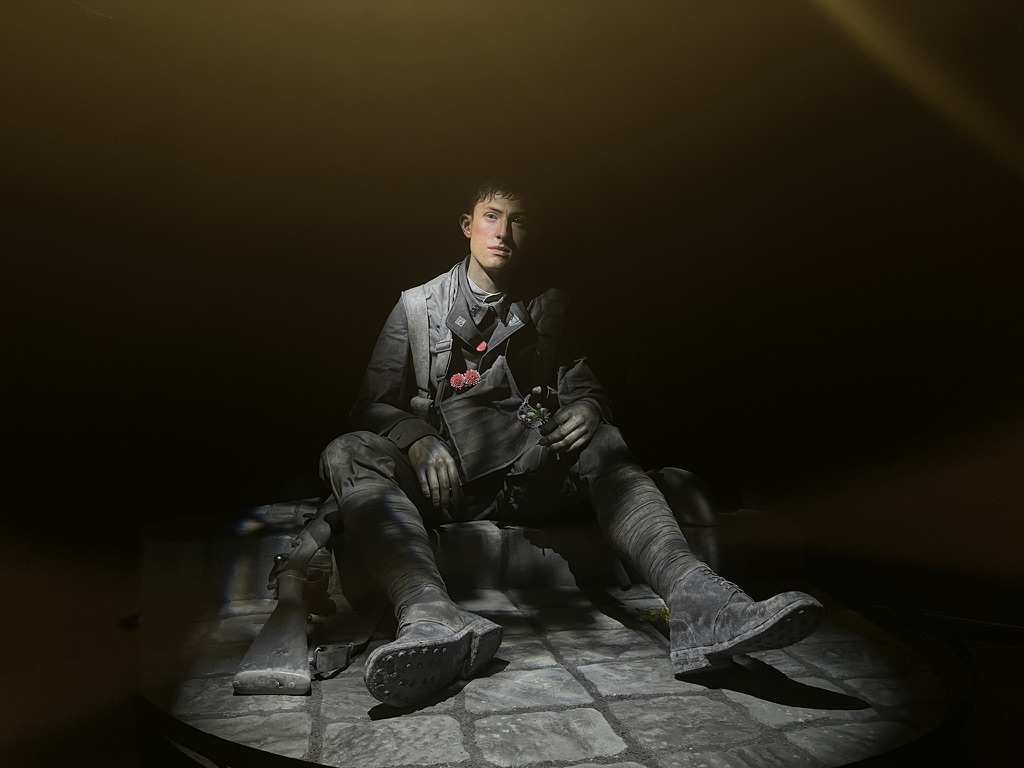
The first stop was to the In Flanders Fields Museum. What a fabulous Museum with amazing insight into the Great War and the impact on the city.
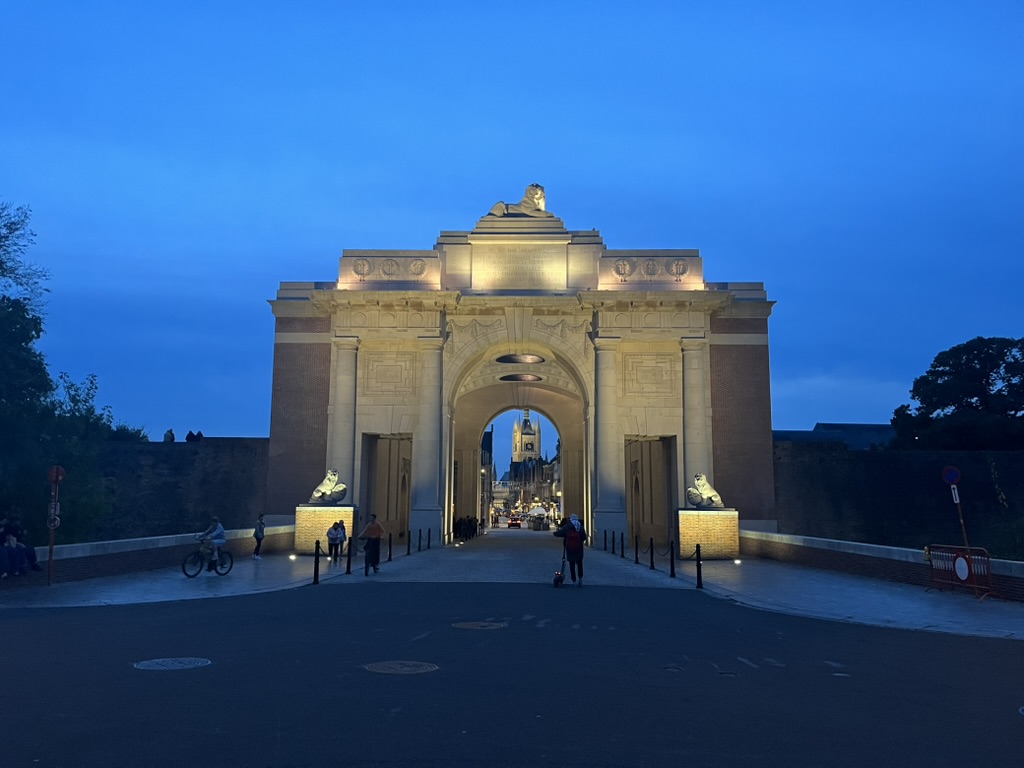
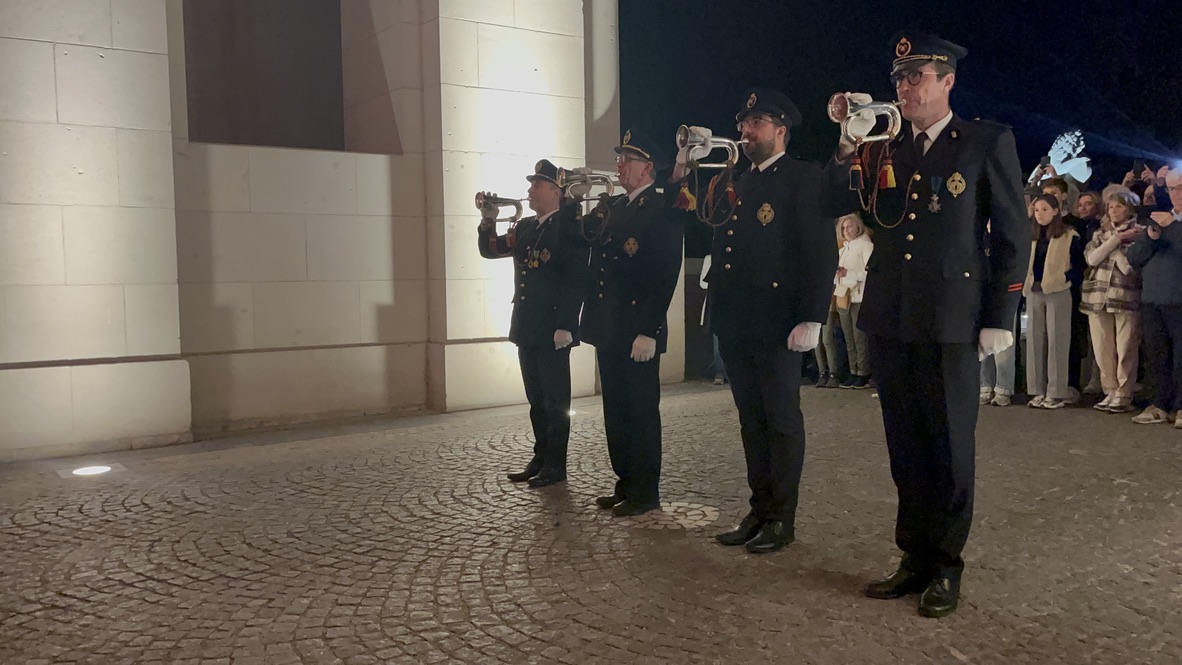
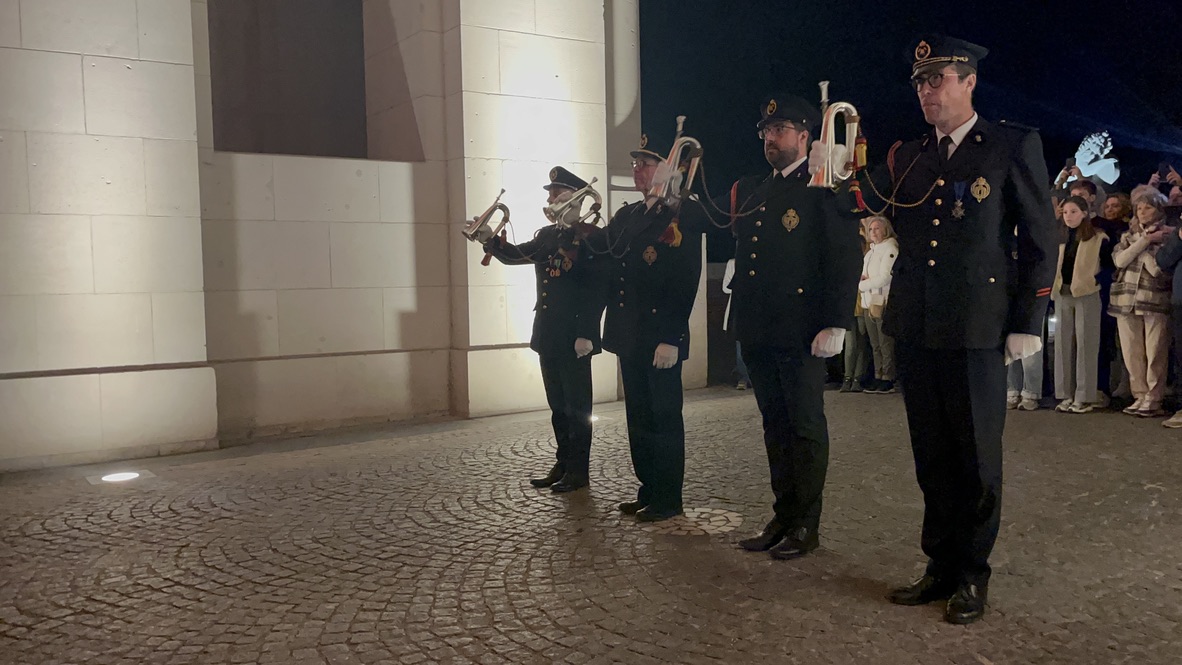
Every night at 8pm at the Menin Gate, in the heart of Ypres, the Last Post is played. The Menin Gate is the Memorial to the Missing and has the names of 54,000 British and Commonwealth men inscribed on its walls. These men have no known grave and so this serves as reminder to all who were lost. New Zealand’s fallen soldiers are not on this memorial they are at Tyne Cot Cemetery. Standing in the freezing cold and listening to the eerie sound of the bugle was overwhelming and very emotional. It was a grounding for us as we then began our pilgrimage to the graves of our fallen.
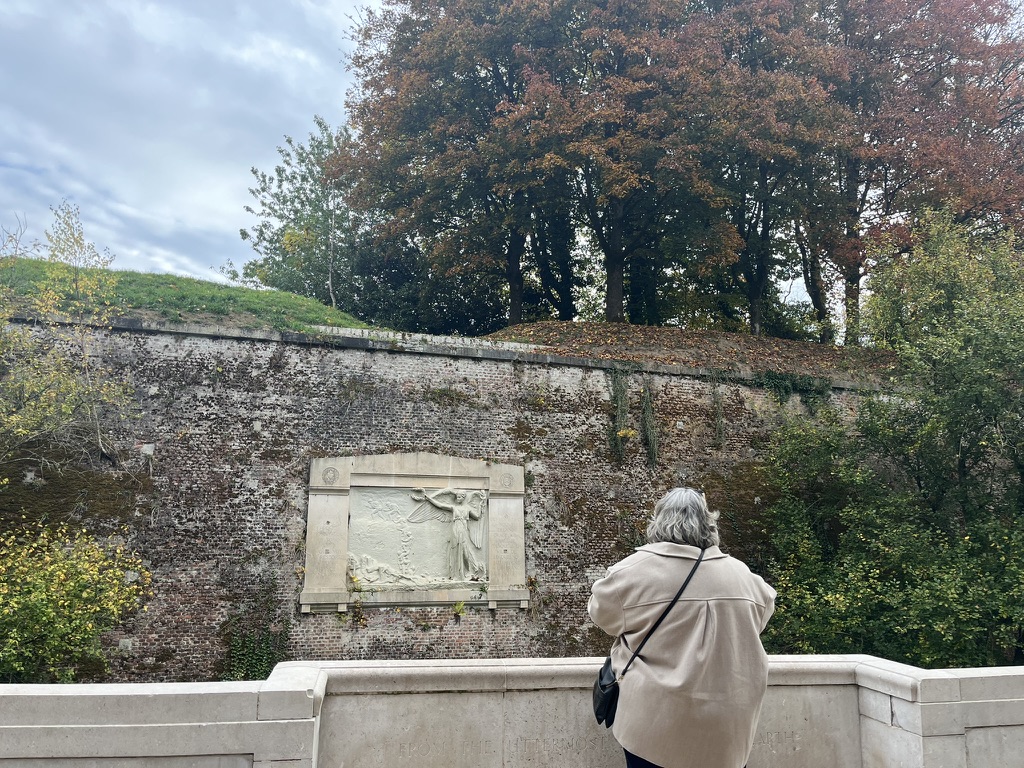
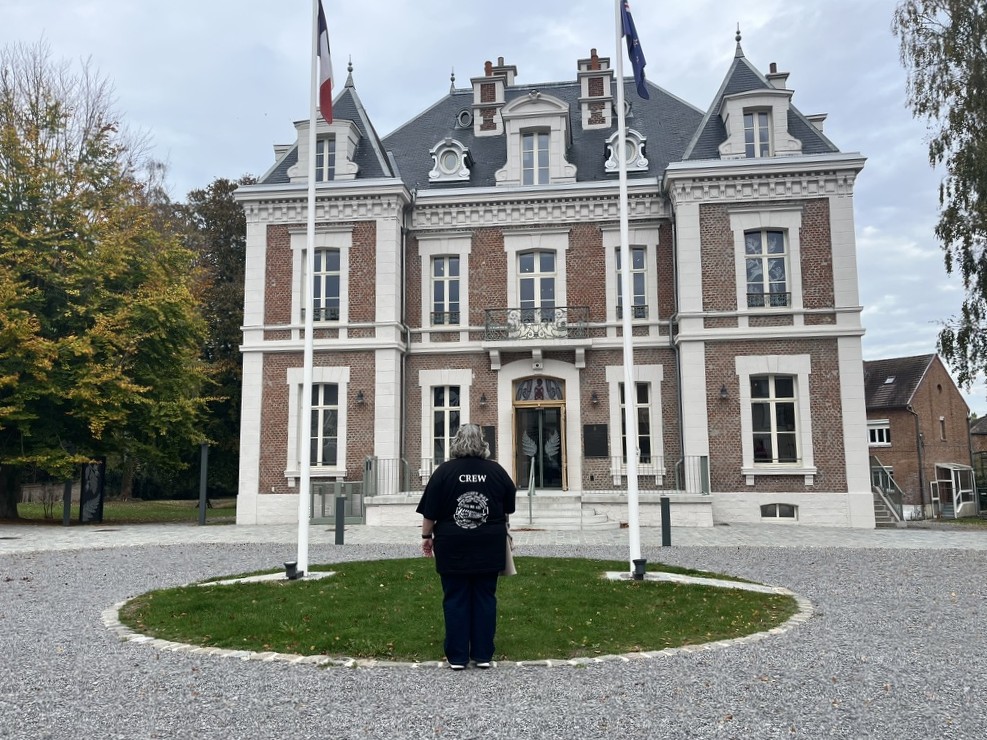
We began our full day battlefield tour three hours from Ypres at Le Quesnoy and the New Zealand Liberation Museum Te Arawhata. This Museum was opened in 2024 and serves to preserve the stories and legacy of the New Zealand soldiers who liberated Le Quesnoy in November 1918. The town of Le Quesnoy is full of reminders of home. Street names, memorials and even silver ferns made out of steel to cover the bins on the street – New Zealand is featured everywhere you walk. We walked around the ramparts of Le Quesnoy and stood in the place where that famous ladder was put over the wall to liberate the town with no loss of civilian life. A very poignant time for us who had travelled from the other side of the world.
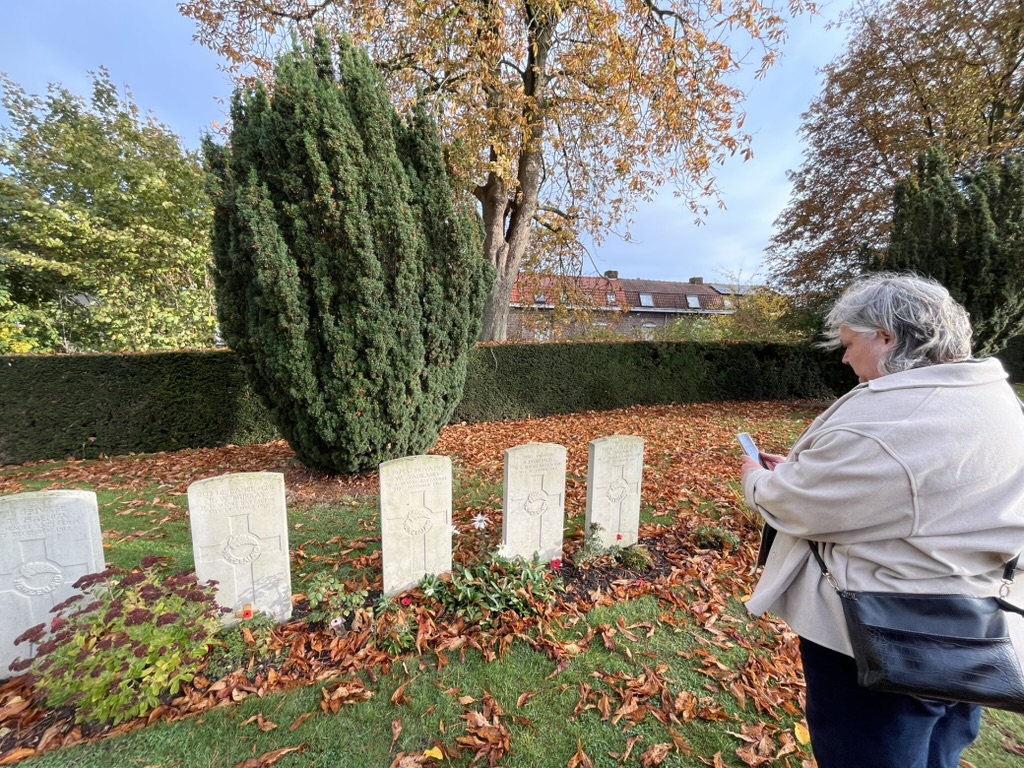
Following our visit to Le Quesnoy we were able to visit my Great Uncles who are buried in commonwealth war graves in St Aubert and Manières British Cemetery, France. This is the first time any of our family has visited their graves and we felt very privileged to be there.
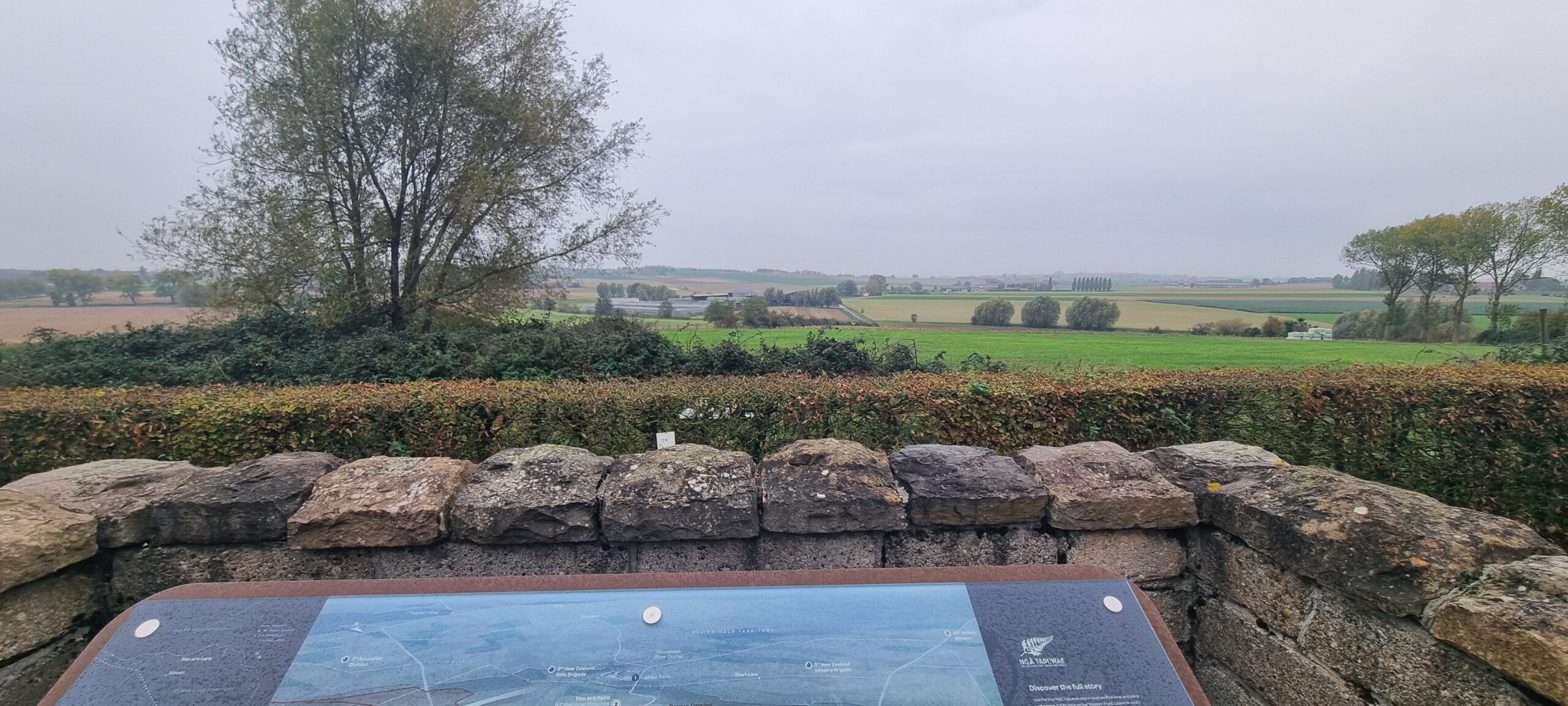
From France we travelled back into Belgium and to Messines Ridge. The Battle of Messines in July 1917 was a prelude to the much larger Third Battle of Ypres or better known as Passchendaele. The Battle of Messines saw the loss of 700 New Zealand soldiers and 3000 casualties. To stand and look out over the ridge to the land below knowing that our men battled up the hill under heavy German fire was sobering. Private Alfred BAILEY 1878/763 is listed on the remembrance wall at the Messines Ridge Cemetery, he has no known grave.
Following on from Messines we visited Berks Extension Cemetery. Private William NICHOLSON 23419 is buried in the cemetery and is one of 80 graves of soldiers from the New Zealand Division.
Our next stop was Buttes New British Cemetery at Polygon Wood which is in the Ypres Salient. Private Horace HOWE 55214 is remembered here on the New Zealand memorial wall along with 377 of the New Zealand Division who have no known graves.
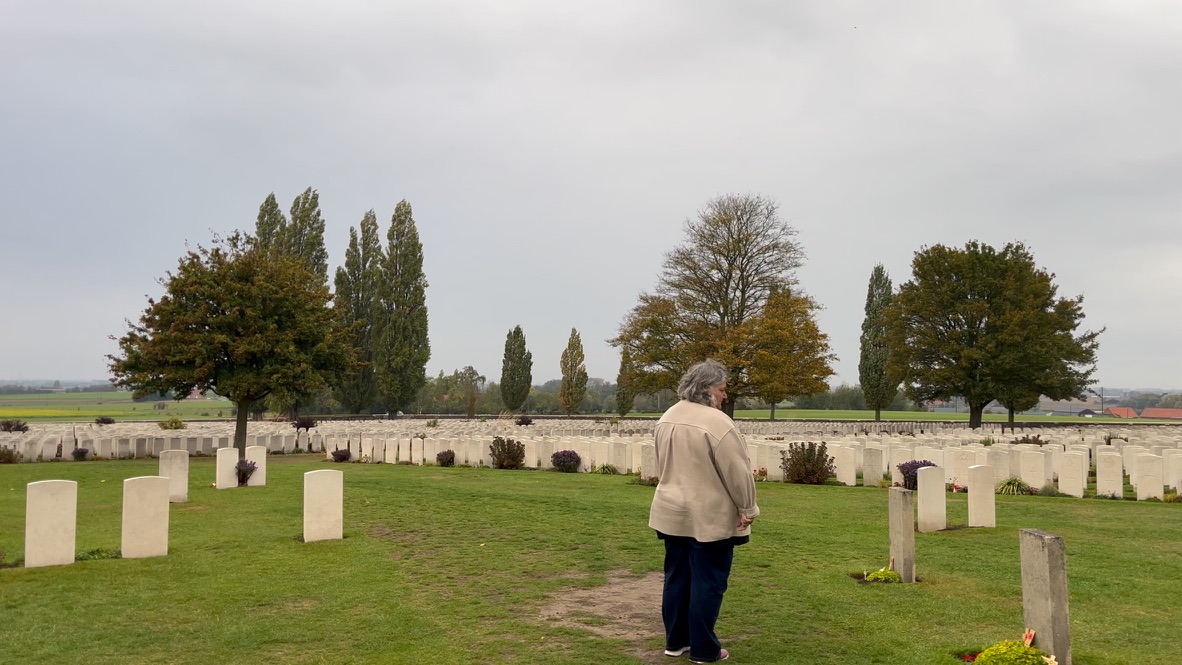
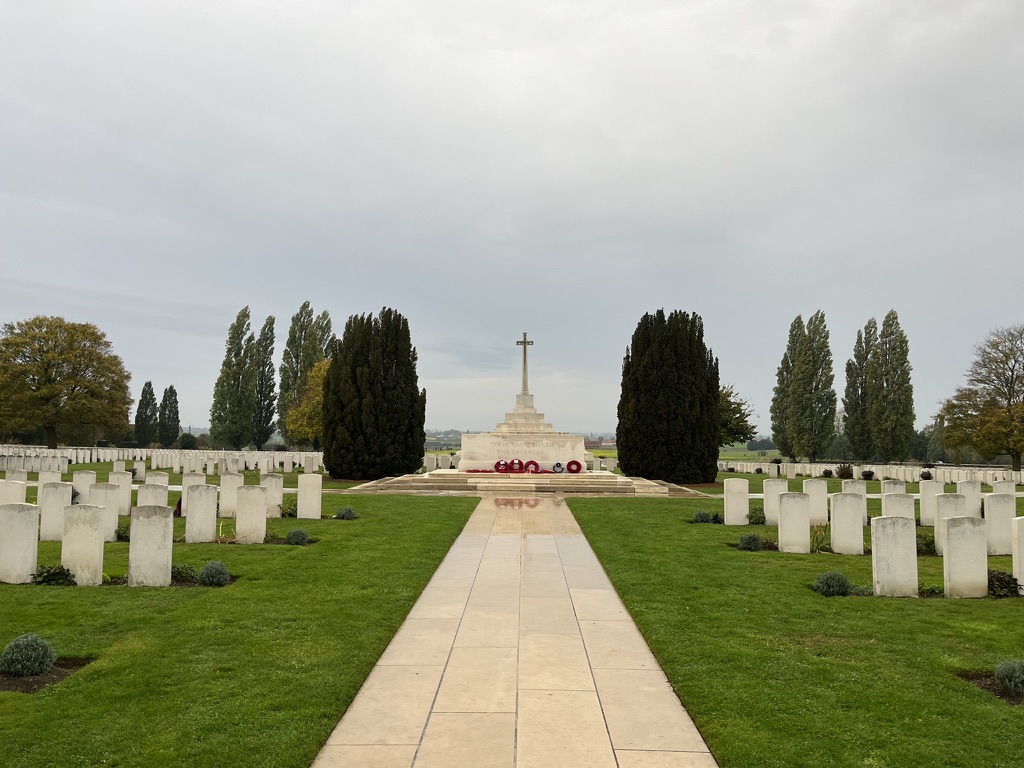
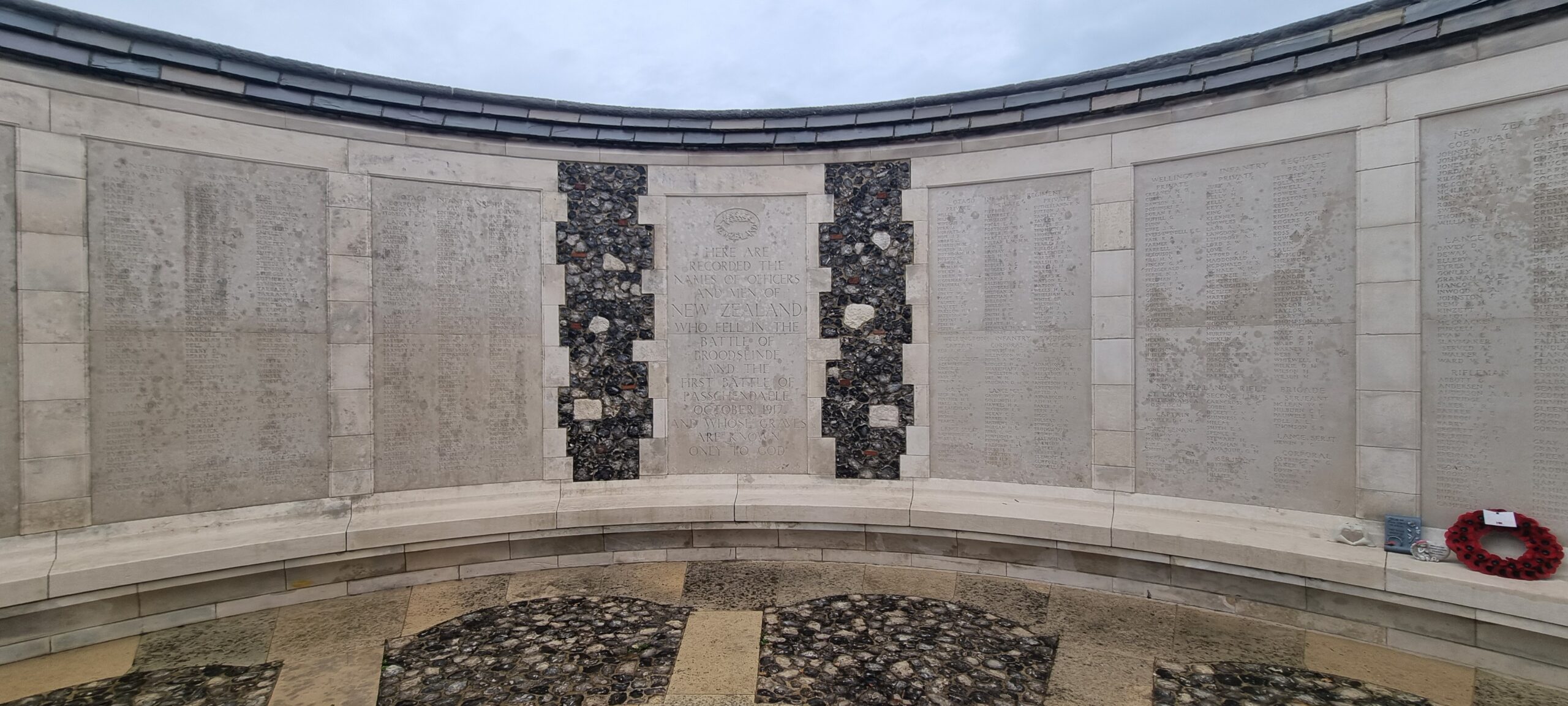
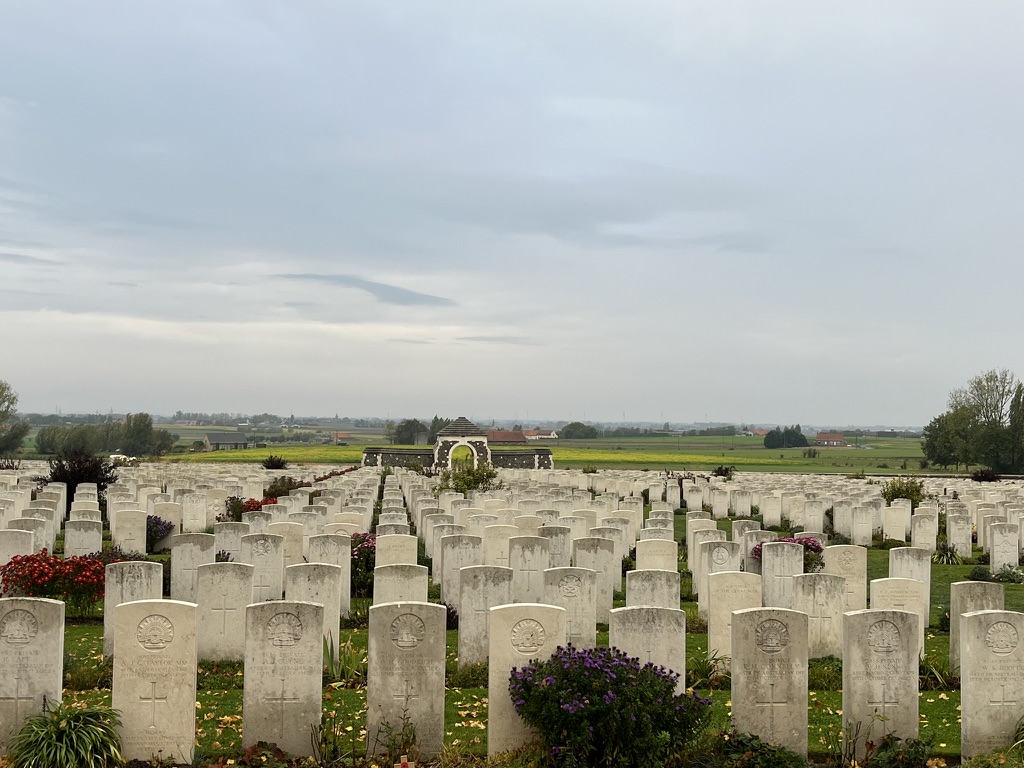
Tyne Cot Cemetery and Memorial is the largest Commonwealth War Cemetery in the world. It has a total number of 11,968 graves of those approximately 75% are unidentified. The New Zealand Division has 520 soldiers buried in the cemetery with a further 1,165 commemorated in the New Zealand Apse. The names recorded on this memorial are of officers and men of New Zealand who fell in the Battle of Broodseinde and the Frist Battle of Passchendaele, October 1917 and whose graves are known only to God.
Tyne Cot is positioned with a view back towards Ypres and shows the amount of ground the men had to cover to reach the heavily defended German trenches and bunkers and then on to the ridge below the village of Passchendaele. A total of 843 New Zealand men lost their lives in the Third Battle of Ypres – Passchendaele, New Zealand’s biggest loss in one battle.
The names on the Tyne Cot New Zealand Memorial are:
Private Alexander COWIE 33833, Private Percy HAMILTON 20998, Private Walter RHODES 40365, Private Eric WHITE 40404 and Rifleman Private Alexander NORTON 21073.
The last two cemeteries we visited were Menin Road South Cemetery where Lance Coproal Raymond HAMILTON 20999 lays at rest and Ramparts Cemetery where Private Benie EDMONDS 38513 of the NZ (Māori) Pioneer Batallion lays at rest with 5 of his company.
Following in the footsteps of our fallen was a great honour and to be able to lay a poppy at each site meant so much to us. We were able to place a connection to home and to always know that ‘WE WILL REMEMBER THEM’.
Mercury Bay Museum has a new temporary exhibition called ‘In the Trenches’ which takes you through life in a the trench for our soldiers and some stories from Passchendaele and the Western Front. The exhibition opens 27th March until the end of May 2026. Regular admission fees apply.